
Camp Swimming Information
Camp Swimming Information
7/16/2026- Water quality testing results at Big Chico Creek indicate that swimming conditions do not meet our safety thresholds at this time. Out of an abundance of caution, camp swimming activities will shift to non-creek water activities. We will continue daily monitoring and return to creek swimming when conditions meet our standards.
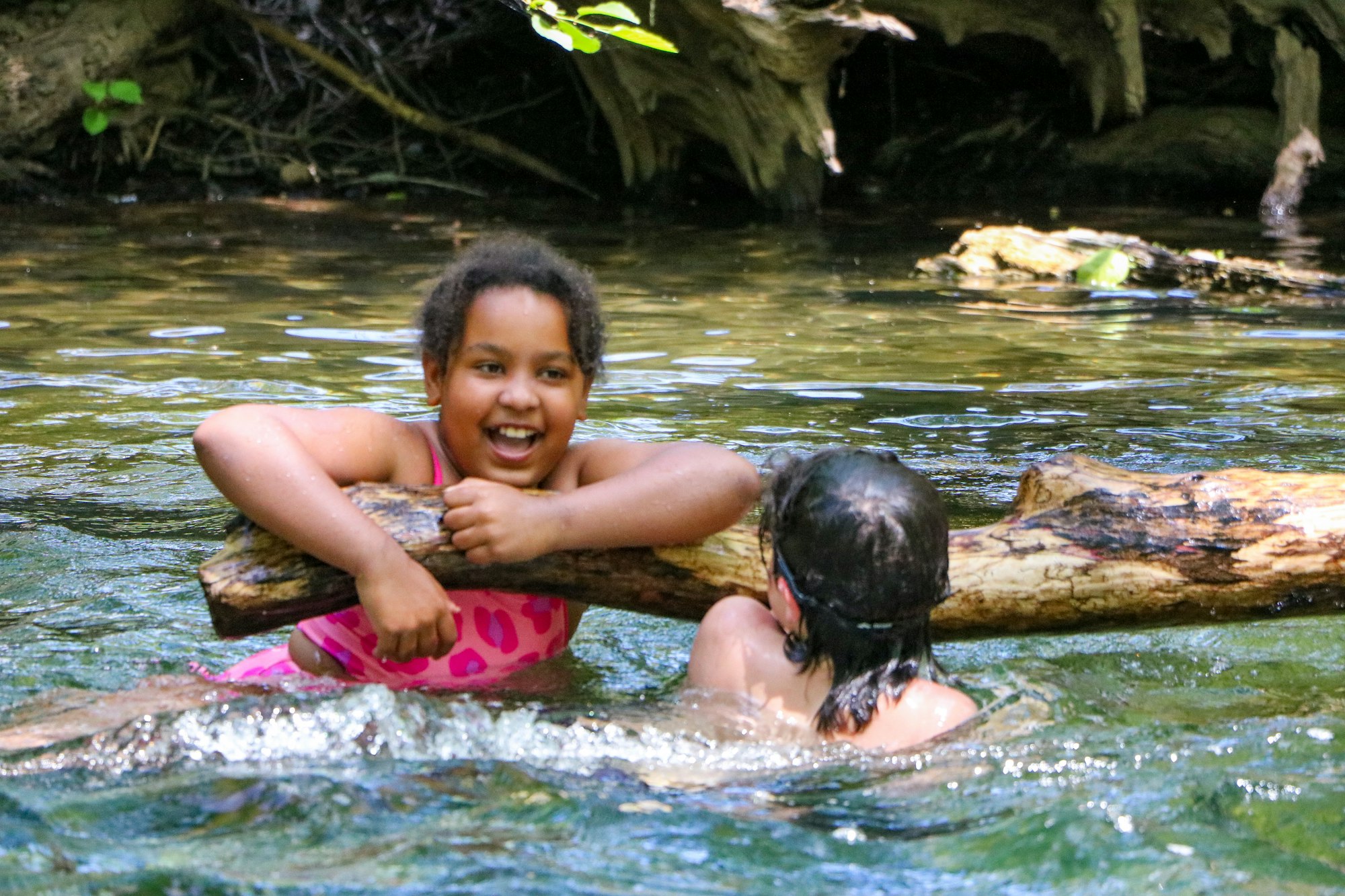
CARD is committed to the health and safety of our campers! Both Camp Chi-Da-Ca and Camp Chico Creek have long histories of swimming in and learning about our natural park waterway, Big Chico Creek. In the summer of 2025, our community suffered from a dangerous strain of E. coli infecting Big Chico Creek, and one small result of that was the end of swimming at our camps for the season. Our waterways are now testing negative for that strain, and current information can be found here:
While we have no reason to believe that it will come back, out of an abundance of caution, CARD is committed to monitoring the health and safety of the waterways your campers might swim in. We are aware of the current swim advisory on Sycamore Pool (One-Mile), placed due to "typical E. coli" (not the same strain from last year), and are in communication with the City about the situation. These tests are performed only at Sycamore Pool, and that area tests differently than the free-flowing swimming holes we use upstream.
This page details the steps CARD is taking to ensure the health of campers and camp staff and will also serve as a place to share any news or developments, including the closure of swimming if that happens this summer. If you have additional questions, please contact us at info@chicorec.gov
Camp Swimming FAQ
The City of Chico tests water at Sycamore Pool (One-Mile). Since CARD camps swim farther upstream in flowing water, we are doing our own additional testing at our swim locations using the same laboratory we worked with last summer. We learned a lot during the initial concerns last year and are confident that, by testing our five potential swim locations each week and starting before summer, we will catch any spike in dangerous bacteria levels and can react accordingly. If Sycamore Pool is under an advisory, that does not mean that swimming holes upstream are also testing at unsafe levels.
If a single swimming location shows results that are at a concerning level for our partners, they will begin testing that location daily. If a 30-day average results in concerning levels, this will also trigger daily testing. If either of these occurs, the camp will move swimming to a new area. If all testing is returning unhealthy levels, then we will communicate with families, stop swimming, and do alternate activities.
No camper is ever forced to swim! Swimming has always been, and will always be, an optional activity. Some children can't swim, some don't like to, and some forget their swim clothes or shoes. While many choose to play on the shore during swim time if they aren't swimming, they can also choose to do a different activity at camp.
At our camps, we always encourage campers not to put their heads under water and, if they do, not to open their eyes or mouths. After swimming, a sink is not always readily available, so we have hand sanitizer accessible for them to quickly sanitize their hands before touching their belongings. Going to the bathroom to fully wash hands after swim time is also encouraged.
Swimming in natural waterways always carries an inherent risk. We encourage all families to review these facts with their campers and explain why it is important to wash hands, use sanitizer, and avoid swallowing water. The CDC guidelines can be found below, along with other resources, if it is helpful to review them as a family. Any education you share with your camper helps them better understand why we are asking them to do certain things, and we always appreciate the help and consistency when that message is shared at home as well.